


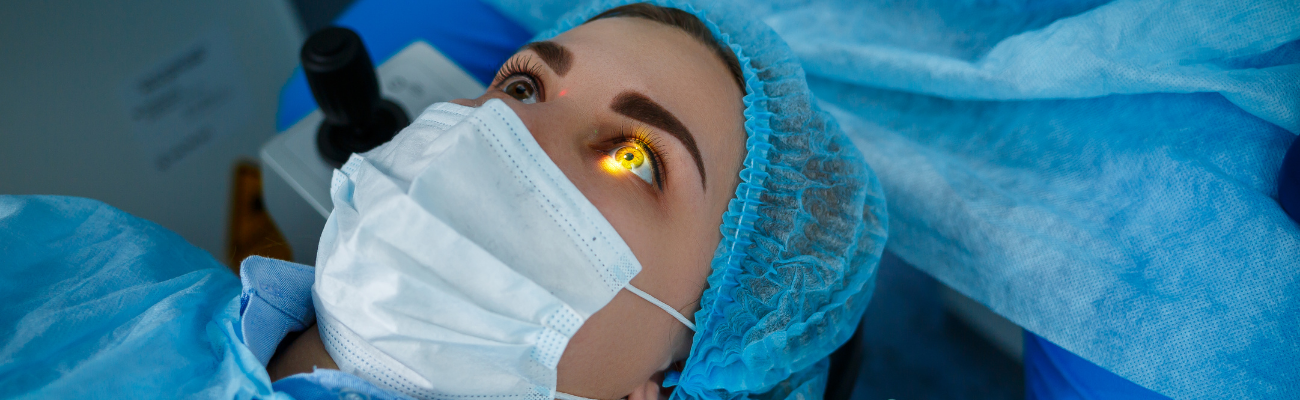
What Is LASIK Eye Surgery?
LASIK (Laser-Assisted In Situ Keratomileusis) is the most well-known and widely performed laser refractive procedure to correct vision problems. It serves as an alternative to glasses or contact lenses by reshaping the cornea, the transparent dome-shaped tissue at the front of the eye.
In normal vision, the cornea refracts light precisely onto the retina. Conditions such as myopia (nearsightedness), hyperopia (farsightedness), and astigmatism distort this refraction, causing blurred vision. By reshaping the cornea with a laser, LASIK corrects these issues and provides clearer vision.
Conditions LASIK Can Treat
Nearsightedness (Myopia): The cornea curves too sharply or the eyeball is slightly longer, causing light to focus in front of the retina. Distant objects appear blurry, while nearby objects remain clear.
Farsightedness (Hyperopia): A shorter eyeball or a flatter cornea makes light focus behind the retina, resulting in blurred near and distant vision.
Astigmatism: Irregular corneal curvature prevents light from focusing properly, blurring both near and far vision.
LASIK is typically considered by people already dependent on glasses or contact lenses.
Risks of LASIK Eye Surgery
Complications leading to vision loss are extremely rare, but some side effects are common:
Short-Term Side Effects
Dry Eyes: Temporary reduction in tear production may cause dryness for up to six months.
Glare and Halos: Sensitivity to light, halos around bright lights, and double vision may occur, especially at night.
Undercorrections/Overcorrections: Too little or too much tissue removal may result in imperfect vision correction, sometimes requiring a second procedure.
Astigmatism: Uneven tissue removal can lead to astigmatism.
Flap Issues: Problems with the corneal flap can cause infection or abnormal healing.
Regression: Rarely, vision gradually shifts back toward the original prescription.
Rare but Serious Risks
Corneal Ectasia: Thinning and weakening of the cornea, causing bulging and worsening vision.
Vision Changes: Some patients may not achieve the same sharpness as before surgery.
Who Should Avoid LASIK?
LASIK may not be recommended if you:
Have keratoconus or other corneal thinning conditions
Have autoimmune disorders (e.g., rheumatoid arthritis)
Have chronic dry eyes
Have unstable vision due to medications, hormones, or pregnancy
Have very large pupils or thin corneas
Participate in high-contact sports where eye trauma is likely
Preparing for LASIK Surgery
Understand the Costs: Most insurance plans do not cover LASIK, as it is considered elective.
Arrange Transportation: You will need someone to drive you home after the procedure.
Avoid Eye Makeup: Refrain from using creams, makeup, or perfumes before surgery to reduce the risk of infection.
Stop Wearing Contact Lenses: Glasses should be used for several weeks before evaluation, as lenses can alter corneal shape.
What to Expect During LASIK Surgery
The surgery usually takes 30 minutes or less.
You will receive numbing eye drops and possibly medication to help you relax.
A corneal flap is created with a laser or blade and lifted to access the cornea.
The laser reshapes the corneal tissue based on your prescription.
The flap is then repositioned to heal naturally without stitches.
During the procedure, you will be asked to focus on a light point to keep your eye steady. Some patients notice a faint burning smell as the laser reshapes the cornea.
After the Procedure
Eyes may itch, burn, water, or feel gritty for several hours.
Vision is blurry at first but improves within a few days.
Pain is usually minimal and manageable with eye drops or mild medication.
Most people return to clear, stable vision within 2 to 3 months.
Follow-up visits are necessary in the days and months after surgery.
Patients should avoid swimming, hot tubs, strenuous sports, and eye makeup for several weeks after LASIK.
LASIK Results
Around 80% of patients achieve 20/40 vision or better after surgery.
Most people no longer need glasses or contacts for daily activities.
Patients with mild to moderate vision problems typically see the best outcomes.
Those with very high prescriptions may still need corrective lenses afterward.
In rare cases, vision can regress due to aging or other eye conditions like cataracts.
Conclusion
LASIK eye surgery is a safe, effective, and widely used procedure that offers long-term freedom from glasses or contact lenses. With high success rates and quick recovery times, it remains one of the most popular solutions for vision correction worldwide.


