


Can Blepharoplasty Cause Dry Eye?

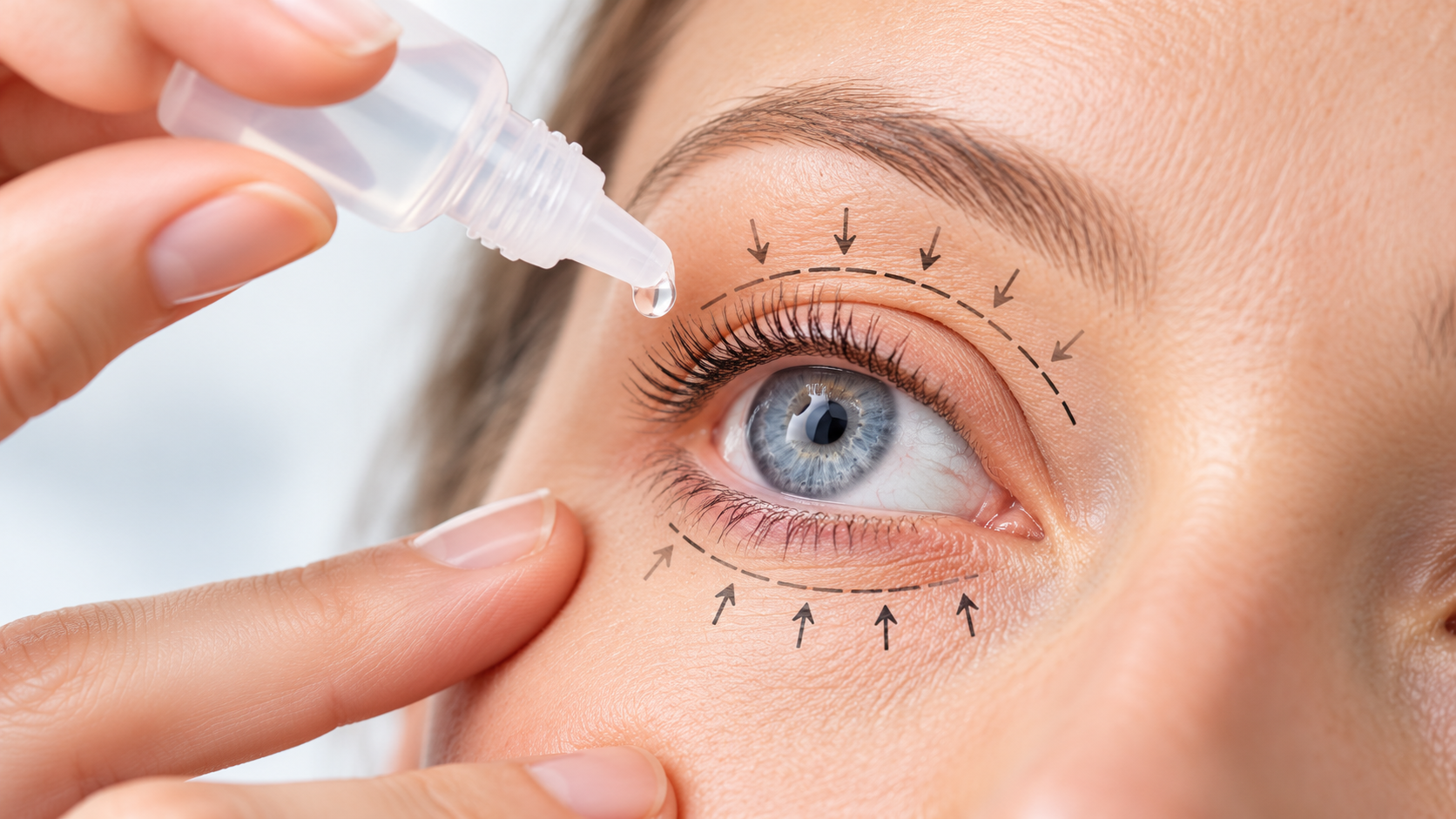
Can Blepharoplasty Cause Dry Eye?
Can blepharoplasty cause dry eye? This is one of the most common questions asked by patients considering eyelid surgery. After blepharoplasty, some patients may temporarily experience dryness, burning, stinging, irritation, or a gritty sensation in the eyes. However, dry eye does not occur in every patient, and in many cases symptoms improve significantly within a few weeks as the healing process progresses.
Blepharoplasty can temporarily affect eyelid function and blinking, which may alter the way the tear film spreads across the surface of the eye. For this reason, patients who already have dry eye symptoms before surgery should be evaluated especially carefully.
Published studies report different rates of dry eye symptoms after blepharoplasty. In a review of the literature, postoperative dry eye rates ranged from approximately 0% to 26.5%, depending on the surgical technique, patient group, and definition of dry eye used in the study.
Understanding can blepharoplasty cause dry eye is especially important for patients who already experience occasional dryness or eye irritation before surgery.
Why Can Dry Eye Occur After Blepharoplasty?
To understand whether blepharoplasty can cause dry eye, it helps to understand how the tear film and eyelids work together.
Every time we blink, tears are distributed evenly across the corneal surface. After eyelid surgery, temporary swelling, tissue tension, or changes in blinking can interfere with this mechanism for a short period.
1. Temporary Incomplete Eyelid Closure
In the early postoperative period, swelling may prevent the eyelids from closing completely, especially during sleep. This is known as temporary lagophthalmos.
When part of the eye remains exposed, tears evaporate more quickly, which may lead to:
- Dryness
- Burning
- Stinging
- Foreign-body sensation
- Discomfort on waking
Temporary lagophthalmos is considered one of the possible contributors to dry eye symptoms after blepharoplasty.
2. Temporary Changes in Blinking
Blinking is essential for maintaining a healthy tear film.
After blepharoplasty, swelling, sensitivity, or temporary tissue changes may make blinking less complete or less frequent. If the tear film is not spread evenly across the ocular surface, dry eye after blepharoplasty may develop.
Preserving normal orbicularis oculi function and eyelid movement is therefore important during eyelid surgery.
3. Changes in the Tear Film Lipid Layer
Tears are not made of water alone. The outer layer of the tear film contains lipids that help prevent rapid evaporation.
These lipids are mainly produced by the Meibomian glands, which are located within the eyelids.
Postoperative:
- Swelling
- Inflammation
- Changes in blinking
may temporarily affect tear-film stability and increase evaporation.
Is Dry Eye Common After Blepharoplasty?
Research findings vary.
In one large retrospective study involving 892 blepharoplasty patients, postoperative dry eye symptoms were reported in approximately 26.5% of patients. Dry eye complaints appeared to be more frequent when upper and lower blepharoplasty were performed together.
However, this percentage should not be interpreted as the expected risk for every patient. Individual risk depends on many factors, including:
- Surgical technique
- Pre-existing dry eye
- Eyelid anatomy
- The extent of surgery
- Postoperative swelling
- Eyelid closure
Therefore, the most accurate answer to “Can blepharoplasty cause dry eye?” is:
Yes, it can cause temporary dry eye symptoms in some patients, but dry eye is not an inevitable consequence of blepharoplasty.
How Long Does Dry Eye Last After Blepharoplasty?
One of the most common searches related to this topic is “How long does dry eye last after blepharoplasty?”
For many patients, dryness is most noticeable during the first few days or weeks after surgery.
As swelling decreases, blinking becomes more natural and eyelid closure improves, dry eye symptoms generally become less noticeable.
In a recent systematic review evaluating lower eyelid blepharoplasty studies, persistent dry eye symptoms lasting longer than two weeks were reported in a minority of patients, while symptoms lasting several months were much less common.
Most postoperative dry eye complaints improve with conservative treatment and time.When patients ask “Can blepharoplasty cause dry eye?”, it is important to distinguish temporary postoperative dryness from chronic dry eye disease.
Can Dry Eye After Blepharoplasty Be Permanent?
Can blepharoplasty cause dry eye permanently?
Permanent dry eye is possible, but it is significantly less common than temporary postoperative dryness.
The risk may be higher in patients who already have:
- Significant dry eye disease
- Poor eyelid closure
- Eyelid laxity
- Previous eyelid surgery
- Ocular surface disease
Excessive removal of eyelid skin or procedures that significantly affect eyelid closure may increase exposure of the eye surface and potentially worsen dry eye symptoms.
For this reason, blepharoplasty should aim not only to improve appearance but also to preserve normal eyelid function.
Can Upper Blepharoplasty Cause Dry Eye?
Upper blepharoplasty can occasionally cause temporary dry eye symptoms.
However, current evidence does not suggest that properly planned upper blepharoplasty routinely causes chronic dry eye in every patient.
Important factors include:
- Conservative skin removal
- Preserving normal eyelid closure
- Minimizing unnecessary muscle trauma
- Evaluating existing dry eye before surgery
When these factors are considered, the risk of significant long-term dry eye can be reduced.
Can Lower Blepharoplasty Cause Dry Eye?
Yes, temporary dry eye symptoms can also occur after lower eyelid surgery.
Potential contributing factors include:
- Postoperative swelling
- Temporary eyelid-position changes
- Chemosis
- Reduced blink efficiency
- Temporary lagophthalmos
In published lower blepharoplasty studies, postoperative dry eye symptoms have been reported at different rates depending on surgical technique and patient characteristics.
Does Combining Upper and Lower Blepharoplasty Increase Dry Eye Risk?
Some studies suggest that it may.
In one large study, reported postoperative dry eye symptoms were approximately:
- 12.9% after upper blepharoplasty alone
- 21.4% after lower blepharoplasty alone
- 31.3% after combined upper and lower blepharoplasty
These figures come from a specific study population and should not be considered a universal prediction for every patient.
Individual assessment remains more important than population averages.
What Are the Symptoms of Dry Eye After Blepharoplasty?
Dry eye after eyelid surgery may cause:
- Burning
- Stinging
- Gritty sensation
- Redness
- Eye fatigue
- Sensitivity to light
- Intermittent blurred vision
- Increased blinking
- Morning dryness
- Watery eyes
It may seem contradictory, but dry eye can sometimes cause excessive tearing because ocular surface irritation can stimulate reflex tear production.
Who Is More Likely to Develop Dry Eye After Blepharoplasty?
When considering whether blepharoplasty can cause dry eye, the patient’s condition before surgery is extremely important.
The risk may be higher in patients with:
- Pre-existing dry eye disease
- Regular artificial-tear use
- Meibomian gland dysfunction
- Blepharitis
- Contact lens use
- Previous LASIK or other refractive surgery
- Thyroid-related eye disease
- Diabetes
- Eyelid laxity
- Scleral show
- Previous eyelid surgery
Patients with these conditions may require a more detailed preoperative ocular-surface assessment.The answer to “Can blepharoplasty cause dry eye?” also depends on the patient’s tear film, eyelid anatomy and ocular surface health before surgery.
Can Someone With Dry Eye Have Blepharoplasty?
Having dry eye does not always mean that a patient cannot undergo blepharoplasty.
However, existing dry eye should ideally be assessed and treated before surgery.
Depending on the patient, the evaluation may include:
- Tear-film assessment
- Corneal surface examination
- Eyelid closure
- Blink function
- Eyelid laxity
- Meibomian gland function
If necessary, dry eye may be treated before surgery and the surgical plan can be made more conservative.
How Can Dry Eye After Blepharoplasty Be Prevented or Reduced?
It is not always possible to prevent postoperative dryness completely, but appropriate surgical planning and postoperative care may help reduce symptoms.
Use Artificial Tears as Recommended
Lubricating eye drops can help keep the ocular surface moist.
For patients requiring frequent use, preservative-free artificial tears may sometimes be preferred, depending on the surgeon’s or ophthalmologist’s recommendation.
Reduce Screen Time
Phone, tablet, and computer use can reduce blink frequency.
During the early healing period, prolonged screen use may make dry eye symptoms more noticeable.
Blink More Frequently
Conscious blinking, especially during screen use, helps redistribute the tear film over the cornea.
Avoid Direct Airflow
Air conditioning, fans, and strong wind can accelerate tear evaporation.
During the early postoperative period, direct airflow toward the face should be minimized.
Stay Well Hydrated
Adequate fluid intake supports overall hydration and may help support ocular-surface comfort.
Use Night-Time Lubricating Gel if Recommended
Some patients with night-time dryness may benefit from thicker lubricating gels or ophthalmic ointments.
These should be used according to medical advice.
What Are the Best Eye Drops for Dry Eyes After Blepharoplasty?
This is another common question related to dry eye after blepharoplasty.
There is no single eye drop that is best for every patient.
Depending on the situation, treatment may include:
- Preservative-free artificial tears
- Lubricating eye gels
- Ophthalmic ointments
- Additional medication prescribed by the surgeon or ophthalmologist
Antibiotic, steroid, or medicated eye drops should not be used without medical guidance.
When Should You Contact Your Doctor About Dry Eye After Blepharoplasty?
Mild dryness and irritation can occur during the early healing period.
However, patients should contact their surgeon or eye specialist if they develop:
- Increasing dryness
- Significant eye pain
- Reduced vision
- Severe light sensitivity
- Marked redness
- Difficulty closing the eyelids
- Symptoms that continue for several weeks despite treatment
Sudden visual loss or severe eye pain should not be considered routine dry-eye symptoms and requires prompt medical assessment.
Can Blepharoplasty Cause Dry Eye? Final Thoughts
Can blepharoplasty cause dry eye? Yes, some patients may experience temporary dry eye symptoms after eyelid surgery, and pre-existing dryness may temporarily become more noticeable.
Postoperative swelling, incomplete eyelid closure, temporary changes in blinking, and changes in tear-film distribution are among the main contributing factors.
In most patients, however, these symptoms are temporary and improve as healing progresses.
One of the most important ways to reduce risk is to assess both eyelid anatomy and ocular-surface health before surgery and to tailor the procedure to the individual patient.
At RovithoMed, blepharoplasty planning considers not only aesthetic goals but also eyelid function, eye-surface health, and patient-specific risk factors in order to create a balanced treatment plan.For anyone wondering “Can blepharoplasty cause dry eye?”, the key point is that postoperative dryness is usually temporary and can often be managed effectively with appropriate care.

Frequently Asked Questions About Dry Eye After Blepharoplasty
1. Can blepharoplasty cause dry eye?
Yes. Blepharoplasty can cause temporary dry eye symptoms in some patients. However, it does not occur in everyone and often improves during the healing period.
2. How long does dry eye last after blepharoplasty?
For many patients, symptoms last for several days to a few weeks. As swelling decreases and normal blinking returns, dryness usually improves.
3. Can dry eye after blepharoplasty become permanent?
Permanent dry eye is possible but much less common than temporary postoperative dryness.
4. Can upper blepharoplasty cause dry eyes?
Yes, temporary dryness may occur after upper eyelid surgery. However, properly planned upper blepharoplasty does not automatically cause chronic dry eye.
5. Can lower blepharoplasty cause dry eye?
Yes. Lower eyelid surgery can temporarily affect blinking, eyelid position, and tear distribution, leading to dryness in some patients.
6. What are the best eye drops for dry eye after blepharoplasty?
Preservative-free artificial tears and lubricating eye gels are commonly used, but the most suitable product should be recommended by your surgeon or ophthalmologist.
7. Can I have blepharoplasty if I already have dry eyes?
In many cases, yes. However, pre-existing dry eye should be assessed and, when necessary, treated before surgery.
8. Is burning or stinging normal after blepharoplasty?
Mild burning, stinging, or a gritty sensation may occur during the early postoperative period. Severe or worsening symptoms should be evaluated by a doctor.
9. How can I reduce dry eye after blepharoplasty?
Artificial tears, reduced screen time, regular blinking, avoiding direct air conditioning or wind, and following your surgeon’s postoperative instructions may help.
10. When should I see a doctor for dry eye after blepharoplasty?
You should contact your doctor if symptoms worsen, if the eyelids do not close properly, if you develop significant pain or redness, or if there is any decrease in vision.


